
Andaman Endemics Birding Tour
Birdwatching in Andaman – Tour Overview
The Andaman archipelago (Endemic Bird Area 125) harbors 20 endemic species within its tropical lowland evergreen forests and mangrove ecosystems.
This 5-night South Andaman expedition targets key island endemics—including the Andaman Scops Owl (Otus balli), Andaman Boobook (Ninox affinis), and Andaman Serpent Eagle (Spilornis elgini)—across primary field hotspots like Chidiyatapu, Kalatang and Ferrargunj. Guided by an expert local birding guide specializing in ethical field playback and nocturnal tracking, each itinerary maximizes field hours during peak activity windows ensuring a 95–100% success rate on the 20 endemic targets as documented in our → recent Andaman trip report.
Our dynamic field routing and multi-guide system guarantees exceptional encounter efficiency for serious world listers and photographers. Explore our → upcoming 5-night andaman birding tour departures to view fixed-date schedules and private tour availability.
Day 1: Arrival : Immediate Lifers & Night Birding in Andaman
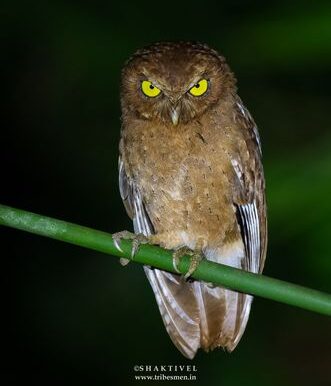
No wasted travel days. After a seamless airport pickup, we bypass the midday heat, have an early lunch and head straight to our first birding stop at Sippighat wetlands just as the afternoon activity peaks to photograph the Andaman Teals (Anas albogularis). Following our Wetland session, we drive further to Ferrargunj Forest for Night Birding to track down the Andaman Scops Owl (Otus balli), Andaman Hawk-Owl (Ninox affinis) & Hume’s Hawk Owl before returning to the resort for dinner.
Key Highlights:
- Wetland Birds: Andaman Teal, Plume-toed Swiftlet, Edible-nest Swiftlet, Pin-tailed Snipe, Stork-billed Kingfisher, Yellow Bittern, Long-toed Stint, Long-toed Stint, Red-necked Stint, Eastern Yellow Wagtail, Curlew Sandpiper, Pacific Golden Plover.
- Owls: Andaman Scops-Owl, Hume’s Hawk-Owl, Andaman Hawk-Owl.
Day 2: Birding in Andaman: Targeting the Forest Endemics
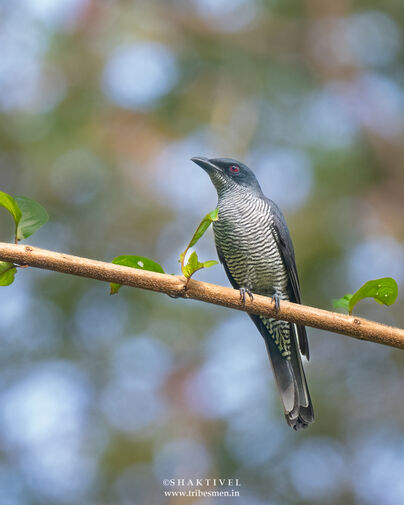
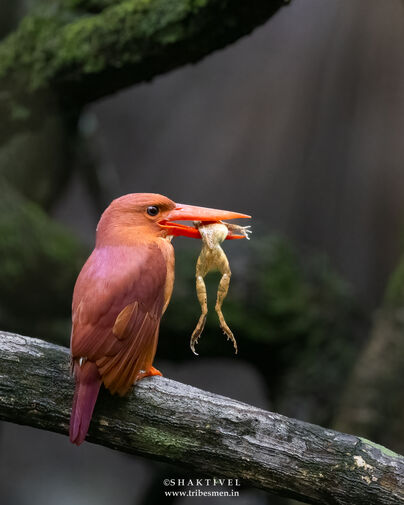
We kick off with a pre-dawn start (5.15am) to drive to one of the premium birding hotspots in Andaman “Kalatang Forest” which sits at the base of the Mt. Harriet National Park range. The journey takes roughly an hour. Upon arrival, we walk the forest tracks just as morning bird activity peaks. Specifically, we target canopy species like the localized Andaman Cuckoo-shrike, Andaman Cuckoo-dove, and Andaman Woodpecker. Meanwhile, nearby mangroves provide prime opportunities to spot the Ruddy Kingfisher. Afterward, we return to the resort to rest and recharge. Later, our afternoon excursion to Chidiyatapu focuses on ticking off the Andaman Serpent-Eagle (Spilornis elgini) and the elusive Andaman Wood-pigeon. Finally, we conclude the day with an exciting night session seeking the endemic Andaman Nightjar (Caprimulgus andamanicus)
Key Highlights:
- Endemics: Andaman Cuckoo-shrike, Andaman Cuckoo-dove, Andaman Drongo, Andaman Bulbul, Andaman Flowerpecker, Andaman Green-pigeon, White-headed Starling, Andaman Woodpecker, Andaman Treepie, Andaman Serpent-Eagle, Andaman Coucal.
- Migrant & Residents: Ruddy Kingfisher, Collared Kingfisher, Ornate Sunbird, Oriental Cuckooshrike, Pacific Reef-Egret, Freckle-breasted Woodpecker, Arctic Warbler, Long-tailed Parakeet, Dollarbird.
- Nocturnals: Andaman Nightjar, Oriental Scops Owl (Waldens)
Day 3: Finding the State-bird “Andaman Wood-Pigeon”
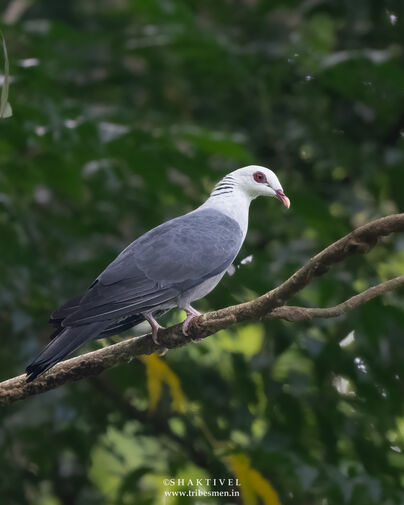
We start our day at 5.30 am today and drive again to Chidiyatapu with a quick stopover at the nearby wetland patch. To tick off the Reed Warblers (Oriental Reed Warbler & Black-browed Reed Warbler), Slaty-breasted Rail, Watercock and Bitterns before continuing to the forest habitat. Our primary focus today is to find the Andaman Wood-Pigeon (Columba palumboides) and other species in the canopy. For our Afternoon Session, we drive to Ograbraj Wetlands to clean up any of our pending wetland targets like Amur Stonechat, Red-throated Pipit. After Sunset, we search for the Andaman Masked Owl (Tyto deroepstorffi) in the nearby forest patch.
Key Highlights:
- Endemics: Andaman Wood-Pigeon, Andaman Shama (Copsychus albiventris), Andaman Drongo, Andaman Flowerpecker (Dicaeum virescens), Andaman Green-pigeon, Andaman Woodpecker, Andaman Treepie, Andaman Serpent-Eagle, Andaman Coucal
- Migrant & Residents: Collared Kingfisher, Ornate Sunbird, Oriental Cuckooshrike, Freckle-breasted Woodpecker, Long-tailed Parakeet, White-breasted Wood-swallow, Oriental Reed Warbler, Black-browed Reed Warbler, Dusky Warbler, Slaty-breasted Rail, Watercock, Voilet Cuckoo, Asian Glossy Starling, Amur Stonechat, Pacific Swallow, Red-throated Pipit (Anthus cervinus)
- Owl: Andaman Masked Owl.
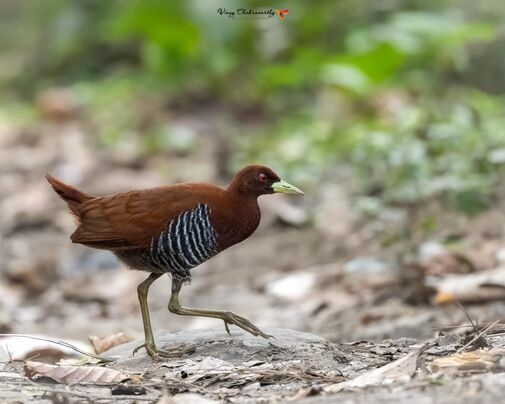
Day 4: Photographing the elusive “Andaman Crake”
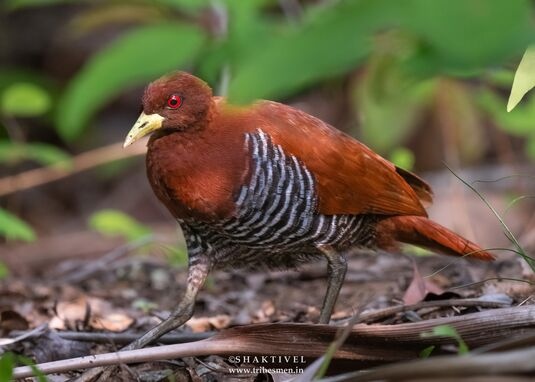
With most endemics in the bag by now, we return to Kalatang to photograph the elusive Andaman Crake (Rallina canningi), a difficult species until our guides cracked the formula to photograph it, a few years ago. We will spend the morning session playing the waiting game for the crake to emerge. Waiting time varies from 5 mins to 2hrs but patience does pay off. In the evening, we head out to Foreshore Road near Chatam Island to strike out Pied Imperial Pigeon, Pacific Reef-Egret, Collared Kingfisher and Daurian Starlings as they come to roost from our target list.
Key Highlights:
- Endemics: Andaman Crake, Andaman Cuckoo-shrike, Andaman Drongo, Andaman Woodpecker(Dryocopus hodgei), Andaman Bulbul, White-headed Starling (Sturnia erythropygia)
- Migrant & Residents: Ruddy Kingfisher, Mangrove Whistler, Pied Imperial Pigeon, Pacific Reef Egret, Collared Kingfisher, Daurian Starling
Day 5: Birding in Andaman: Target Clean-up
We dedicate this morning and evening to any missed targets from your checklist. Whether you need a crisp photograph of any species or are still hunting any endemic, our guide customizes this session to circle back to any key habitat if a specific target eluded us earlier in the week
Day 6: Departure
After breakfast at the hotel, our driver will drop you off at the airport for your flight back to mainland India, concluding your successful Andaman birdwatching tour.
Please note, no birding sessions are scheduled or included for this final day. However, if you have a late afternoon flight, you can optionally add a half-day birding or sightseeing tour for an extra charge.
Birding Pace & Comfort Guarantee
This birdwatching tour is designed for maximum bird yield with minimum physical strain.
Slow & Steady: We don’t hike for exercise; we walk for birds. Our average pace is less than 1.5 km per hour, featuring constant stops to sit, observe, and photograph.
Vehicle Proximity: Most of our prime birding locations are highly accessible, keeping us within walking distance of our vehicle.
Zero-Pressure Flexibility: If you ever feel tired during a forest session, our vehicle and driver are always on hand for a rest break.
Assistance with Camera Equipment: If you are tired or need help carrying your tripod or gear, our drivers act as your sherpas. But, please do tip them for their assistance.
Mid-day Rest: In the tropics, birds go quiet between 10:00 AM and 3:00 PM. We capitalize on this natural biological pause so you are recharged for the evening & night session.
Pale-footed Bush Warbler Extension (3 Days)
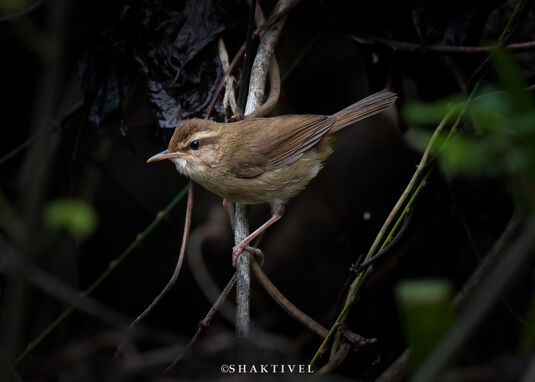
Opted as a pre-tour extension of our Andaman itinerary to cover the Pale-footed (Andaman) Bush Warbler, rediscovered after 114 years by our founder and lead guide G. Shaktivel himself.
Day 1: Arrival and Drive to Middle Andaman
Arrive at Port Blair Airport (IXZ), ideally before noon. Thereafter, we begin our long drive to the town of Rangat in Middle Andaman for a two-night stay.
However, please note that this 9 to 10-hour trip passes through two Jarawa Tribal Reserves. Consequently, vehicles must travel strictly within scheduled convoys without stopping midway, meaning birding en route will be very limited.
Day 2 & 3: Twitching the Pale-footed Bush Warbler
We’ll dedicate the entire day to birding around Middle Andaman, focusing on the Pale-footed (Andaman) Bush Warbler (Urosphena pallidipes osmastoni) – a species famously rediscovered after 114 years. We’ll also be targeting other key endemics, including the Andaman Wood Pigeon, Andaman Crake, Andaman Cuckoo-Dove, and Andaman Serpent Eagle. On our final morning, we’ll drive back to Port Blair to rejoin the main tour itinerary.
Frequently Asked Questions
What is the maximum group size for this tour?
Group size is strictly capped at a maximum of 4 birders. Keeping group size small ensures minimal trail disturbance, higher photographic success, and dedicated field attention.
Where does the tour start and end?
The expedition starts and ends at Port Blair Airport (IXZ) in the Andaman Islands.
Who will be leading the birding expedition?
Our Andaman Endemic Tours are led by local endemic specialists and top eBird contributors with deep field expertise across the archipelago's habitats—namely G. Shaktivel, Prodip Sarder, Jabili Rao, and Aldrich Franklin.
What camera lenses and bodies are recommended?
Optimal gear includes 500mm–600mm telephoto lenses paired with Full Frame or APS-C camera bodies for dense tropical rainforest conditions.
Can I use a tripod or monopod on the trails?
Yes. Tripod or monopod usage is entirely as per your personal shooting preference and handheld comfort on forest trails.
What magnification binocular is best for birding in andaman?
8x magnification binoculars are strongly recommended for canopy birding, offering a wider field of view and superior light transmission in dense forest shade.
What is your policy on using audio playback?
Playback is strictly restricted to Scops Owls and critical target endemics. It is applied minimally, quietly, and non-invasively to uphold strict ethical birding standards.